Buying a house here, and what to ask about the roof
The roof is the most expensive thing on a house that a general inspection looks at for about ten minutes. Here is what to establish while you still have leverage.
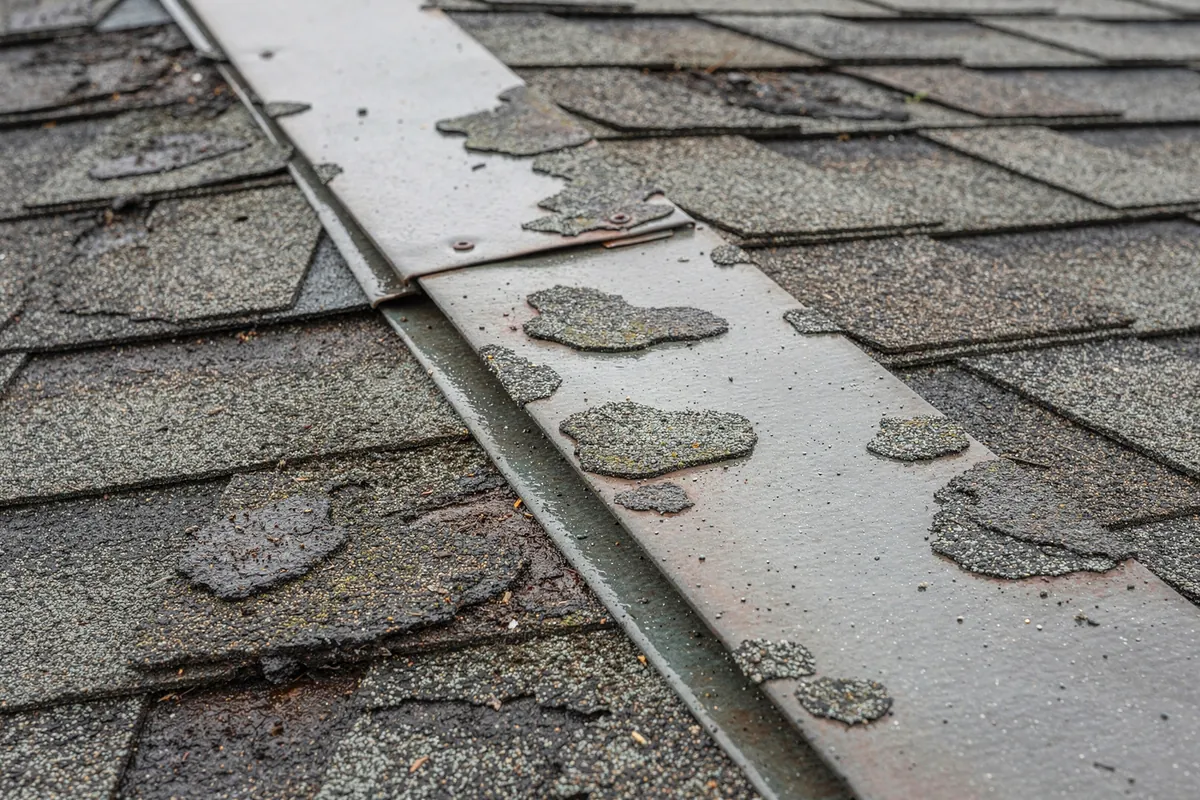
Buying a house is the one moment when somebody else has a reason to answer questions about the roof honestly, and almost nobody uses it. A month after closing the same questions cost money to answer and nobody owes you a reply.
What a general inspection actually covers
A home inspector is a generalist and the roof is one line on a long list. Most will not walk a roof that is steep, wet, iced or high, and the standards they work to do not require them to. What you usually get is a look from a ladder at the edge, a look from the ground, and a sentence of opinion about remaining life.
That is not a criticism of inspectors. It is a description of the product. It means the report tells you whether anything is visibly, obviously wrong, and tells you very little about whether the roof has been hit, whether the flashing details are right, or what is under the shingles.
If the roof is a material part of what you are paying, that is a second opinion worth buying, and a roofing company will do it for a fraction of what the uncertainty is worth.
The three questions worth asking the seller
How old is it, and is there paperwork. An invoice with a date and a company name is worth far more than a recollection, and it also tells you whether any warranty is transferable, which on most manufacturer warranties requires a step taken within a set window after the sale.
Has a claim ever been paid on this roof. This is the question people forget. A yes tells you two useful things at once: the covering is probably newer than the house, and the house sits somewhere that storms have found before and will find again.
Who did the work. A roof installed in the fortnight after a big hail event, by a company that was in town for the season, is the one most likely to carry the ordinary hurried faults, and it is the one least likely to have somebody answering the phone about it in three years.
What to look at yourself, from the ground
Walk all four sides. You are not diagnosing, you are noticing.
Look at the soft metal, because it tells the truth about hail. Gutters, downspouts, vent caps, the flashing at a chimney, the fins on the air conditioner. Dents there mean hail has been through, and if the metal is marked while the roof is said to be fine, that is the thing to ask about.
Look along the edges and rakes for a straight line of missing, lifted or creased tabs, which is wind rather than hail and which people routinely describe as nothing.
Look at the slopes that face different directions. One badly aged slope and one good one usually means shade and damp rather than a failed roof.
Look in the gutters for a build up of granules, which is ordinary in small amounts on an old roof and worth asking about in quantity.
And look at the ceilings inside, in the corners of upstairs rooms and along the outside walls, for faint brown rings. In this climate those are as likely to be ice damming as a roof leak, and that distinction matters enormously, which is the next point.
The ice question follows the house, not the roof
If the ceilings show old water marks near the outside walls, ask when they appeared. February answers mean ice at the eaves, and ice damming is caused by heat escaping into the attic rather than by anything wrong with the covering. A new roof will not fix it and a seller who has just put a new roof on may sincerely believe they have.
That is a good thing to know before you own it, because the work is air sealing and insulation in the attic, it is not expensive compared with a roof, and it is the sort of thing you can put into a negotiation. The whole sequence is on the ice dam page.
Before you sign anything with a contractor
If the roof does turn out to need work and somebody is at the door offering to handle it as part of the move, know where you stand first. Nebraska gives you a cancellation right on a roofing contract that will be paid out of an insurance policy, and the clock can start again when the insurer writes to say part of it is not covered. The detail, and the rule that stops a contractor offering to absorb your deductible, are on the contracts page.
Questions people ask
- The inspection report says the roof has five to seven years left. What does that mean?
- Usually that somebody looked at it from a ladder at the eave, or from the ground with binoculars, and estimated from the general condition. It is an opinion rather than a measurement and it is not worth planning around. If the number matters to your offer, pay a roofing company for a separate look and get it in writing.
- The sellers say the roof is new. Is that good news?
- It is good news about the covering. Ask two further questions anyway. Was it replaced under an insurance claim, because that tells you the house sits where storms land. And who did it, because a roof put on quickly in the busy fortnight after a hail event is the one most likely to have the nailing and the flashing done in a hurry.
- Should I ask for a roof to be replaced as a condition of sale?
- You can, and on a roof at the end of its life it is a reasonable ask. Be careful what you are actually getting: a replacement arranged by a seller who is leaving has no reason to be generous about decking, underlayment or flashing. A price adjustment that lets you commission the work yourself is often worth more than the same money spent for you.
Last checked 2026-09-28.